Sunday, December 8, 2013

The real story about animal abuse

I am lucky enough these days that my various community roles often see exposed to a diverse array of people in the community that give me the opportunity to widen my world view and gain some amazing insights that I can share with the the people who produce food and fibre and the people who consume and wear it Today I joined the NSW Farmers Animal Well Being committee to hear a presentation by NSW RSPCA Chief Inspector David O’ShannessyDavid provided the committee with some statistics that RSPCA  NSW are compiling for their 2013 report  to the Minister which I will share with you once the Minister has made the report public knowledge.What David did confirm to me is the amount misinformation in the community about animal abuse and who the real bad guys are.If I said to you for example that over 60% of complaints to the RSPCA are about mistreatment of companion dogs and horses would you be surprised?,
cygnet2
And that most prosecutions relate to what RSPCA refer to as animal hoarders. That is people who see themselves as “rescuers” of animals which in the main means people who ‘collect’ animals like cats and dogs and retired greyhounds and trotters in flabbergasting numbers and have no capacity to feed or house them would you be surprised?On top of this complaints and prosecutions against commercial farmers completely pale in significanceThat in the main it is people with a mindset ( not notoriety ) like Kim Hollingsworth that are the main offenders not farmers.Those people who live in houses where you wipe your shoes leaving the house rather than going in that are the animal abusers not farmers as radical animal activists would have us believe.I am not saying that every farmer is committed to best practice but its seriously time the radical animal activists acknowledged the majority are .If we truly care about animal wellbeing its time to acknowledge where the real problem is and commit our resources and donations to the organisations who are going to deliver the best outcomes for animals not newspaper and TV exposure

Compilation of Funny Animal Videos

Interesting websites

ORCA

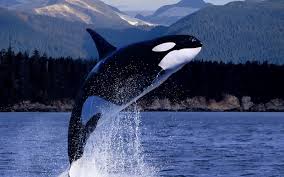
Did you know orcas are also called Killer whales? Orcas get the name “Killer Whale” because they are very violent to other animals in the wild. Another native name for an orca is called Blackfish.Orcas live in pods. Pods are groups of marine mammals of the same species. If another animal that is not a part the pod comes into the pod the males will kill that animal. Orcas can swim 100 miles a day in their pods.In captivity orcas are kept in 1% of their natural spaces and they are slaves to entertainment. They also die at the age of 25-30 years old.Female orcas can live up to 100 years old while the males live to 50 years.Orcas dorsal fins can be up to 6 and a half feet tall
images


TIGER
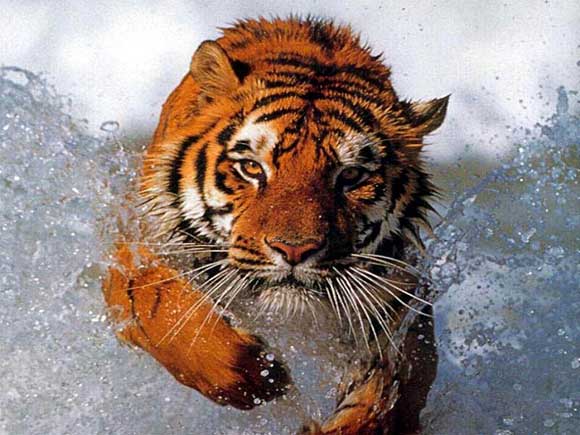
The tiger is the biggest cat in the world. They love to swim, unlike most cats.  They grow thick, long, reddish, orange coats with black stripes, and white underbellies. There were once 9 species of tigers: Bengal, Siberian, Indochinese, South Chinese, Sumatran, Malayan, Javan, Caspian, and Bali. Sadly, the last three of these tigers are now extinct. Tigers are very rare. There are about 4,500 living in the wild! That may seem a lot but it is not.Tigers mainly eat ambar deer , wild pigs, water buffalo, and antelope. As you can see tigers are carnivores.Tigers can be white or orange. White tigers live in snowy biomes, and the orange tigers live in forests and other biomes.Tigers are my favorite animal because they are pretty and strong.
blue-tiger-source

Wednesday, December 4, 2013

02 DICIEMBRE 2013 TASK

02/12/13

TASKS

1. Find 3 interesting  websites about animals. Copy the addresses on your blog.

2. Find a video showing an interesting story in which animals are the protagonist/s

 Animals who adopt other animals

3. Find a written real story in which animals are the main protagonists.

4. Go to the following website: http://www.worldoftales.com/ Familiarise with it and find stories about animals. Pay special attention to the fables. Read a few and select three that you understand reasonably well and like.